
Introduction: The Lifespan Question
A home lift is a significant long-term investment, and one of the first questions homeowners ask is: "How long will it last?" The short answer is that most modern residential lifts have an expected lifespan of 20 to 30 years, depending on the technology, usage patterns, installation quality, and maintenance history.
But the full picture is more nuanced. Different lift types have different durability profiles. Environmental factors like Australia's coastal conditions can accelerate wear. And the single biggest variable is whether the lift receives regular professional servicing. In this guide, we break down everything you need to know about home lift lifespan - so you can make an informed decision and protect your investment for decades.
Key Takeaways
- Most Home Lifts Last 20–30 Years: The expected lifespan depends on lift type, usage, installation quality, and maintenance - with some units operating reliably beyond 30 years with proper care.
- Lift Type Matters: Hydraulic and MRL lifts typically last 20–25 years, while traction and screw-driven lifts can reach 25–30 years.
- Maintenance Is Critical: Arranging professional servicing every 12 months is the single most effective way to achieve maximum lifespan and avoid costly breakdowns.
- Coastal Environments Require Extra Care: Humidity, salt, and dust can accelerate wear on certain components, making regular maintenance even more essential.
- Lifespan Isn't the Only Factor: When comparing lifts, also consider warranty length, energy efficiency, safety features, running costs, and availability of local servicing.
What Affects the Lifespan of a Home Lift?
Several key factors determine how long a home elevator will last:
Regular Servicing
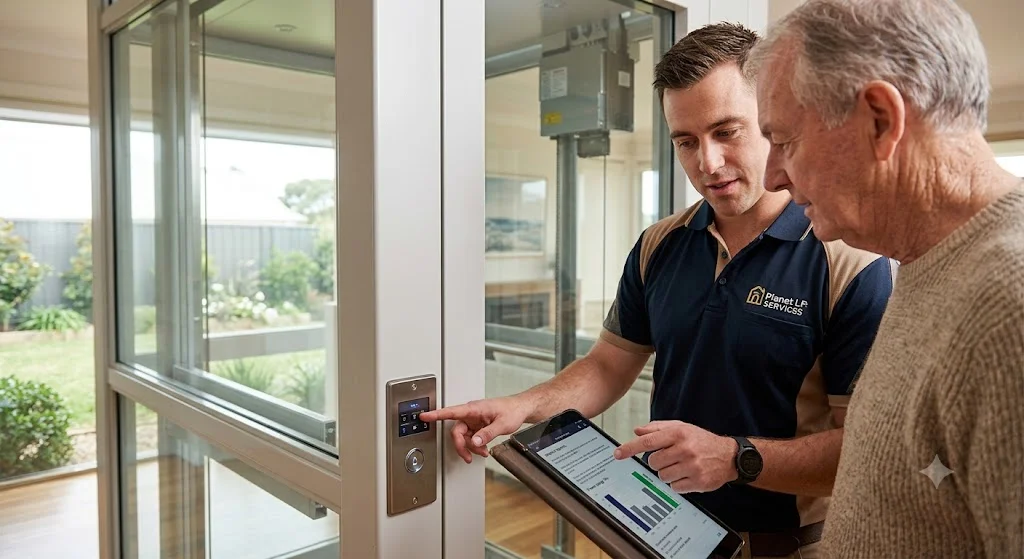
Routine maintenance is the most significant factor in lift longevity. Regular servicing helps prevent wear and reduces the likelihood of unexpected repairs. Preventative maintenance is usually far more cost-effective than waiting for a breakdown to occur. Most manufacturers recommend professional servicing every 12 months, or as specified in their maintenance schedule.
Daily Use Patterns
A lift used multiple times a day will naturally experience more wear than one used occasionally. Heavy, frequent use doesn't necessarily shorten the lifespan if the lift is properly maintained - but it does make regular servicing even more important. The rated duty cycle of the lift should match your anticipated usage.
Installation Quality
Professional installation is essential. A lift installed correctly from day one will operate within its designed tolerances, reducing stress on components and extending overall life. Poor installation can lead to premature wear, alignment issues, and recurring faults that are expensive to diagnose and fix.
Environmental Factors
Australia's environment presents specific challenges. Coastal conditions, dust, and humidity can affect certain components over time, making regular maintenance even more important. Salt-laden air near the coast can accelerate corrosion on metal parts. High humidity can affect electrical systems. Dust accumulation in lift machinery rooms can cause overheating and component failure. If you live in a harsh environment, discuss protective measures with your lift installer.
Quality of Components and Parts
Using approved replacement parts and qualified technicians for any repairs is essential. Aftermarket or incompatible parts can compromise performance and safety. Always work with authorised service providers who use manufacturer-approved components.
Lifespan by Lift Type
While every lift is different, the following table shows the typical lifespans for common residential lift technologies available in Australia:
| Lift Type | Typical Lifespan | Best Suited For |
|---|---|---|
| Hydraulic Lifts | 20–25 years | Low-rise homes with smooth, quiet operation |
| Traction Lifts | 25–30 years | Larger homes and higher travel distances |
| Machine-Room-Less (MRL) Lifts | 20–25 years | Homes with limited installation space |
| Screw-Driven Lifts | 25–30 years | Compact residential installations with low maintenance requirements |
Regardless of the technology you choose, following the manufacturer's maintenance schedule is one of the biggest factors in achieving the maximum lifespan.
Hydraulic Lifts
Hydraulic lifts use a fluid-powered piston to raise and lower the cabin. They offer smooth, quiet operation and are well-suited to low-rise homes (typically up to 3 floors). Their 20–25 year lifespan is influenced by the condition of hydraulic seals, the pump, and the fluid system - all of which benefit from regular inspection during servicing.
Traction Lifts
Traction lifts use cables and counterweights, similar to commercial elevators. They are more energy-efficient than hydraulic systems and handle higher travel distances well, making them ideal for larger homes. Their longer lifespan (25–30 years) reflects the mechanical simplicity and durability of the traction drive system.
Machine-Room-Less (MRL) Lifts
MRL lifts integrate the motor and machinery into the lift shaft itself, eliminating the need for a separate machinery room. This makes them an excellent choice for homes with limited space. Lifespan is comparable to hydraulic lifts at 20–25 years, though MRL technology continues to evolve and may improve over time.
Screw-Driven Lifts
Screw-driven lifts use a threaded screw shaft that the cabin travels along. They are compact, require minimal maintenance, and don't need a machinery room or pit. Their 25–30 year lifespan reflects the simple mechanical design with few moving parts - making them one of the most durable options for residential use.
How to Extend the Life of Your Home Lift
A few straightforward steps can help keep your lift running smoothly for many years:
- Arrange professional servicing every 12 months (or as recommended by the manufacturer). This is the single most important thing you can do.
- Don't exceed the lift's rated weight capacity. Overloading puts unnecessary stress on mechanical and structural components.
- Keep the lift clean and free from dust or debris. Regular cleaning of the cabin, doors, and visible components prevents premature wear.
- Report unusual noises or changes in performance early. Early detection of issues prevents minor problems from becoming major failures.
- Use qualified technicians and approved replacement parts when repairs are needed. Unauthorised work can void warranties and compromise safety.
Remember: preventative maintenance is usually far more cost-effective than waiting for a breakdown.
Should Lifespan Influence Your Buying Decision?
Yes - but it shouldn't be the only factor. When comparing home lifts, consider the overall value rather than simply choosing the lift with the longest advertised lifespan. Also compare:
- Warranty length - A longer warranty often reflects the manufacturer's confidence in durability.
- Maintenance requirements - Some lift types need less frequent or less intensive servicing than others.
- Energy efficiency - This affects ongoing running costs and environmental impact.
- Safety features - Look for compliance with Australian Standards (AS 1735.12 for residential lifts).
- Running costs - Include energy consumption, servicing frequency, and expected part replacement costs.
- Availability of local servicing and spare parts - A lift is only as reliable as the support behind it.
- Compliance with Australian Standards - Ensures the lift meets safety and performance requirements.
For a detailed breakdown of lift types, costs, and specifications, see our complete home lift buying guide.
Planning a Home Lift Installation?
Not sure which lift type is right for your home? Tell us about your property and requirements, and we'll match you with up to 3 qualified local suppliers for free, no-obligation quotes.
Get 3 Free QuotesConclusion
A well-maintained home lift can serve your household reliably for 20 to 30 years - and in some cases even longer. The type of lift you choose will influence the expected lifespan, but how you care for it matters just as much. By investing in professional installation, scheduling regular servicing, and addressing issues promptly, you can maximise both the longevity and safety of your home lift.
If you're considering a home lift or are comparing options, focus on the total cost of ownership - not just the upfront price. A lift with a slightly shorter advertised lifespan but lower running costs and easier maintenance may offer better value than a premium model with higher ongoing expenses. The right choice depends on your home, your budget, and your long-term plans.